


Introduction
You have probably seen a beautifully written post or a glossy image describing a flower called Boylecheloid: sculpted petals that shift color, a delicate fragrance, a rare montane habitat. Those posts are persuasive, and they often read like authoritative plant profiles. The problem is that Boylecheloid is not a recognized botanical name, it does not appear in standard botanical registries, herbarium catalogs, or peer-reviewed floras.
This article is a practical, evidence-first resource you can publish on your site to give readers a reliable answer. It explains where names like Boylecheloid come from, how to evaluate novel plant names, and how to verify whether any claimed plant is real. You’ll also find an original, easy-to-use identification framework (BIF), likely real-world plants that match the evocative Boylecheloid descriptions, step-by-step investigation guidelines, and a short checklist you can print and use in the field.
Is Boylecheloid real?
No. At the time of writing, Boylecheloid is not listed as an accepted genus or species in authoritative botanical databases or major herbaria. The name circulates largely through blog posts, listicles, puzzle pages, and social media, not through specimen records or scientific descriptions. In most cases where the name appears, the supporting content lacks primary evidence such as a voucher specimen, collection locality, or taxonomic reference.
How names like “Boylecheloid” appear and spread
Understanding the life cycle of invented or misattributed plant names helps explain why convincingly written, but inaccurate, articles proliferate.
Common origins
- Creative coinage. Writers sometimes invent Latin-sounding names by applying classical endings (-oid, -ia, -ensis) to craft a poetic label that sounds scientific.
- Puzzle or wordplay origins. Anagrams, classroom exercises, or listicle content can introduce fabricated tokens that later get mistaken for taxa.
- Content recycling. Low-quality content mills and SEO-driven listicles republish the same text and imagery without primary sourcing; the repetition builds apparent authority.
- Misattribution. Real plant photos (often of common species) are reposted with a new label, causing confusion when readers assume the new label is valid.
Because these pathways rely on replication rather than verification, friendly-sounding articles claim “Boylecheloid” exists in quantity even though none provide scientific proof.
Boylecheloid Identification Framework (BIF), a practical tool you can use now
To evaluate any unknown plant name rapidly and reliably, use the Boylecheloid Identification Framework (BIF). This five-step method is designed for journalists, bloggers, gardeners, and curious readers.
BIF Step 1 — Source verification
Ask: Where did the name originate? Prefer sources that cite herbarium specimens, taxonomic papers, or major botanical databases. Treat claims originating from anonymous blogs, puzzle pages, or social lists as unverified.
BIF Step 2 — Scientific registry lookup
Search major registries: International Plant Names Index (IPNI), Kew’s Plants of the World Online, Tropicos, USDA PLANTS, and regional floras. If the name does not appear in these sources, it is almost certainly not an accepted taxon.
BIF Step 3 — Reverse-image and provenance check
If the post includes photos, run a reverse-image search. Many bogus posts recycle stock imagery or photos of known plants miscredited with new names. Check EXIF if you have the original file.
BIF Step 4 — Morphological cross-check
Compare described features (petal number and arrangement, leaf shape, reproductive organs) with keys for likely families. Real identification rests on morphology. If descriptions are poetic but vague, that is a red flag.
BIF Step 5 — Expert confirmation
If the name matters (conservation, trade, legal), consult a botanist or upload images/specimens to an expert community (iNaturalist, regional herbaria, or a local university). Experts can confirm or refute the claim and point to voucher specimens if the plant is real.
Applying BIF converts an entertaining internet rumour into a verifiable investigative task.
Popular descriptions of “Boylecheloid” and why they sound credible
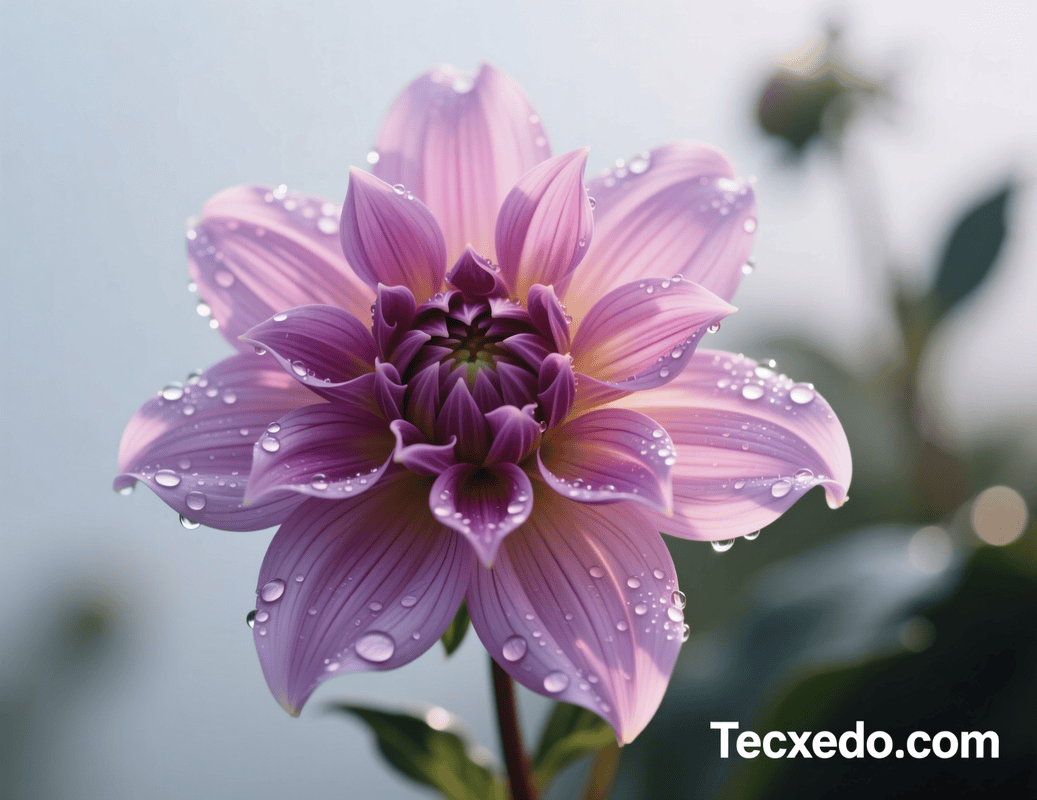
Many posts that mention Boylecheloid repeat similar motifs: chalice-like sculpted petals, subtle color shifts (rose to purple), a jasmine-rose scent, and a habitat in cool mountain cloud forests. Those attributes are attractive and evocative, which helps the story spread.
Two factors make these descriptions especially convincing:
- They borrow features from several real families — orchids, gentians, dahlias, and some montane diminutive flowers.
- High-quality stock photos with ambiguous captions create a visual anchor that readers trust.
Because of these factors, a reader without botanical training will naturally accept the story unless they check standard taxonomic sources.
Real plants that match the Boylecheloid description (practical alternatives)
If readers want something real that approximates the beauty described as Boylecheloid, these species are strong, evidence-based alternatives. Each can be used as a real example in a post contrasting fact and fiction.
Cosmos (Cosmos bipinnatus)
- Why it fits: Delicate, sculpted petals in pinks and purples; airy stems; widely cultivated varieties that present soft hues.
- ID tips: Pinnate leaves, daisy-like flower head, single row of ray florets.
- Care: Full sun, well-drained soil, deadhead to prolong bloom.
Dahlia (Dahlia spp.)
- Why it fits: Many cultivars exhibit sculpted, layered petals and dramatic color gradations. Dahlias can be formal and highly ornamental.
- ID tips: Tubers, opposite compound leaves, composite flower heads.
- Care: Rich soil, full sun, staking for taller varieties; lift tubers in frost zones.
Certain Montane Gentians or Orchids
- Why they fit: Cloud-forest gentians and orchids can be rare, vividly colored, and fragrant—traits that feed “rare bloom” narratives.
- ID tips: Species-level ID often requires examining floral morphology closely (labellum, column, pollinia).
Using these matches allows readers to experience a real plant with similar aesthetics while avoiding the spread of misinformation.
Step-by-step: How to investigate a “Boylecheloid” sighting (field & online)
If someone sends you a photo claiming “I found a Boylecheloid,” follow these steps:
- Request the original image and check EXIF metadata for time and location (when available).
- Run a reverse-image search to see whether the photo appears under other names or on stock sites.
- Perform a quick BIF lookup: search IPNI, Kew POWO, and regional floras for the Latin string and plausible variants.
- Examine the morphology: leaf arrangement, number of petals or tepals, presence of bracts, and reproductive structures.
- Ask an expert: post the photo to iNaturalist or contact a local herbarium or university department for definitive ID.
- Label your finding publicly: if you publish online, clearly mark the record as “unverified” or “likely misidentified” until experts confirm.
This workflow prevents accidental amplification of fabricated names and helps maintain accurate public records.
Ethical and conservation concerns
Invented or misattributed plant names are often treated as harmless. They are not. Potential harms include:
- Conservation distraction: A fictional “rare” species can divert attention and support away from bona fide endangered plants.
- Illegal collection: Misidentified “rare” plants may encourage collectors to harvest lookalike species, damaging genuine populations.
- Erosion of trust: Repeated exposure to inaccurate naming harms public understanding of science and botany.
Publishers and bloggers have an ethical responsibility to verify taxonomic claims, especially where rarity or protection status is asserted.
Quick verification checklist for editors and bloggers
- Did the author check IPNI, Kew POWO, and Tropicos?
- Is there a cited voucher specimen or herbarium accession?
- Are images original, and do they include metadata?
- Has an expert or herbarium confirmed the ID?
- Is the article clearly labeled “verified” or “unverified”?
If any of the above answers “no,” add a verification note or hold publication until an expert review is completed.
Frequently Asked Questions
Q: Is Boylecheloid a real botanical name?
A: No — it is not recorded in recognized taxonomic registries or herbaria and appears to be an internet-born term.
Q: Why do so many websites have Boylecheloid posts?
A: The name spreads through recycled blog content, puzzle pages, and evocative writing that does not rely on primary botanical evidence.
Q: How can I verify a plant name?
A: Use the Boylecheloid Identification Framework: search registries, run reverse-image checks, compare morphology, and ask an expert.
Q: What real plants resemble the descriptions of Boylecheloid?
A: Cosmos, certain dahlias, and some montane orchids or gentians fit many of the visual descriptions often applied to Boylecheloid.
Conclusion
Boylecheloid is an instructive case: it demonstrates how plausible-sounding names and beautiful imagery travel fast online, often ahead of evidence. Responsible editors and curious readers can slow this misinformation by using straightforward verification steps, searching authoritative registries, checking image provenance, and consulting botanists. When you publish about plants, aim for evidence: cite vouchers, include expert confirmation, and mark unverified claims clearly. That approach protects readers, helps conservation, and preserves the public trust in botanical knowledge.
You Might Also Read: https://tecxedo.com/why-im-building-capabilisense/
