


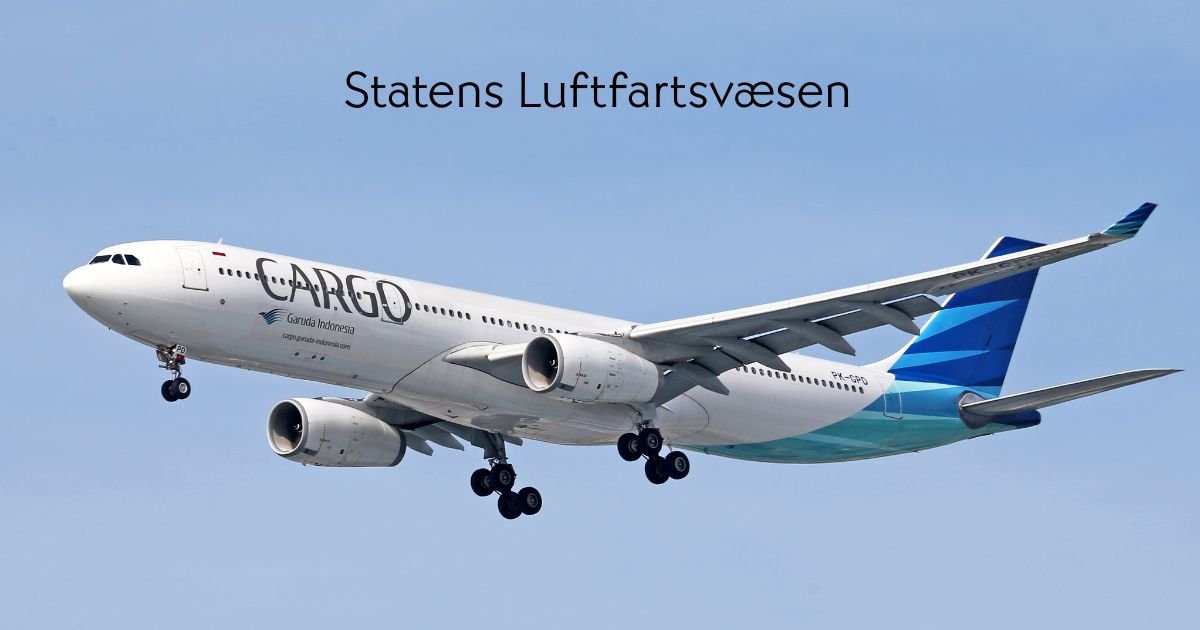
Statens Luftfartsvæsen, historically known as Denmark’s central aviation authority, has long played a crucial role in shaping the safety, structure, and direction of Danish air travel. As aviation became a key pillar of global connectivity, countries relied on regulatory bodies to ensure safe skies, consistent regulations, and responsible aviation management. Denmark’s answer to this need was Statens Luftfartsvæsen, an organization that helped build the foundation of modern Danish aviation. Whether monitoring aircraft safety or ensuring compliance with international standards, its influence has been instrumental in keeping the country’s aviation sector reliable and future-oriented.
What Is Statens Luftfartsvæsen?
Statens Luftfartsvæsen, often translated as the Danish Civil Aviation Administration, was responsible for overseeing civil aviation across Denmark. Its core mandate involved ensuring that all aviation activities—commercial flights, general aviation, and airport operations—met strict national and international safety requirements. It also issued certifications, monitored aircraft operations, and supervised licensed air personnel.
Although its organizational structure has evolved over time (with many of its roles transitioning to Trafikstyrelsen, the Danish Transport Authority), the legacy and foundational work of Statens Luftfartsvæsen continue to influence Denmark’s aviation standards even today. Understanding its historical and regulatory role provides valuable context for how modern Danish aviation operates.
The Role of Statens Luftfartsvæsen in Danish Aviation
Statens Luftfartsvæsen played a central role in shaping air travel within the country. One of its most important functions was the supervision of aviation safety—from the condition of aircraft to the training of pilots and crew. No aircraft could take to Danish skies without meeting the standards enforced by the authority.
Beyond safety, the agency supported the development of national aviation infrastructure. It helped ensure that airports operated efficiently, that flight corridors remained safe and well-managed, and that passengers could trust the aviation system. The work of Statens Luftfartsvæsen helped Denmark maintain its strong reputation for high safety standards and operational excellence.
Key Responsibilities and Functions
Air Safety Regulations
Air safety stood at the heart of Statens Luftfartsvæsen’s mission. The agency handled aircraft certification, maintenance oversight, crew licensing, and operational audits. By holding airlines and aircraft operators to strict compliance standards, it ensured that every flight departing from or landing in Denmark met globally recognized safety measures. Whether inspecting cockpit procedures or reviewing maintenance records, Statens Luftfartsvæsen acted as a gatekeeper of air safety.
Airport Management and Supervision
Airports are more than transit points—they are complex ecosystems that demand coordination, regulation, and constant assessment. Statens Luftfartsvæsen monitored airport operations across the country, ensuring runways, terminals, and navigation systems functioned optimally. From Copenhagen Airport to regional airfields, the agency ensured that airport infrastructure met national and international expectations.
Statens Luftfartsvæsen and Air Traffic Control
Air traffic control is essential to safe and efficient flying. Statens Luftfartsvæsen collaborated closely with Danish air traffic management services, setting regulatory boundaries and safety parameters for airspace usage. Although the operational side of air traffic control was handled by specialized service providers, Statens Luftfartsvæsen ensured that these operations followed the correct procedures, used approved technologies, and adhered to international communication standards. This oversight helped maintain an orderly and predictable airspace environment.
Importance of Statens Luftfartsvæsen for Travelers
Most travelers never think about the immense regulatory work that keeps aviation safe. Yet every smooth flight, every secure airport experience, and every well-managed emergency protocol can be traced back to regulations shaped by Statens Luftfartsvæsen. Passengers benefited from standardized safety instructions, vetted airline operations, and airports designed for efficiency and risk minimization. The agency’s invisible hand helped ensure that travelers could move confidently, knowing that safety was embedded at every stage of their journey.
International Partnerships and Regulatory Alignment
Cooperation with ICAO and EASA
Aviation is global, and no country functions alone. Statens Luftfartsvæsen worked closely with ICAO (International Civil Aviation Organization) and EASA (European Union Aviation Safety Agency) to maintain international consistency. These relationships ensured that Denmark adhered to global aviation protocols, allowing airlines to operate freely and safely across borders.
Cross-Border Operational Coordination
International coordination extended beyond safety rules. It included shared airspace management, streamlined certifications, joint training standards, and aviation data sharing. Through these partnerships, Statens Luftfartsvæsen helped Denmark seamlessly integrate into Europe’s broader aviation system.
Technological Advancements Within Statens Luftfartsvæsen
Aviation technology evolves rapidly, and the agency consistently embraced innovation to improve efficiency and safety. Digital monitoring tools, automated safety assessment systems, and enhanced navigation technologies were all part of its modernization initiatives. These advancements helped ensure that Denmark stayed ahead of industry trends—not just keeping up with global standards, but often setting them.
Challenges Faced by Statens Luftfartsvæsen
As aviation traffic increased and environmental concerns grew, Statens Luftfartsvæsen faced significant challenges. Balancing rising air travel demand with sustainable practices became a core difficulty. Additionally, rapid technological developments required constant adaptation, while threats such as cyberattacks, drone interference, and climate-related disruptions demanded new regulatory strategies. Despite these hurdles, the agency consistently worked to evolve its policies and maintain Denmark’s aviation safety excellence.
The Future of Statens Luftfartsvæsen
While many of its responsibilities now fall under updated governmental structures, the foundational influence of Statens Luftfartsvæsen continues to shape Denmark’s aviation future. The country is focusing on greener aviation solutions, smarter airports, sustainable fuels, and improved passenger experience. The regulatory groundwork laid by Statens Luftfartsvæsen ensures that Denmark can move confidently into an era of smarter, safer, and more environmentally responsible aviation.
