


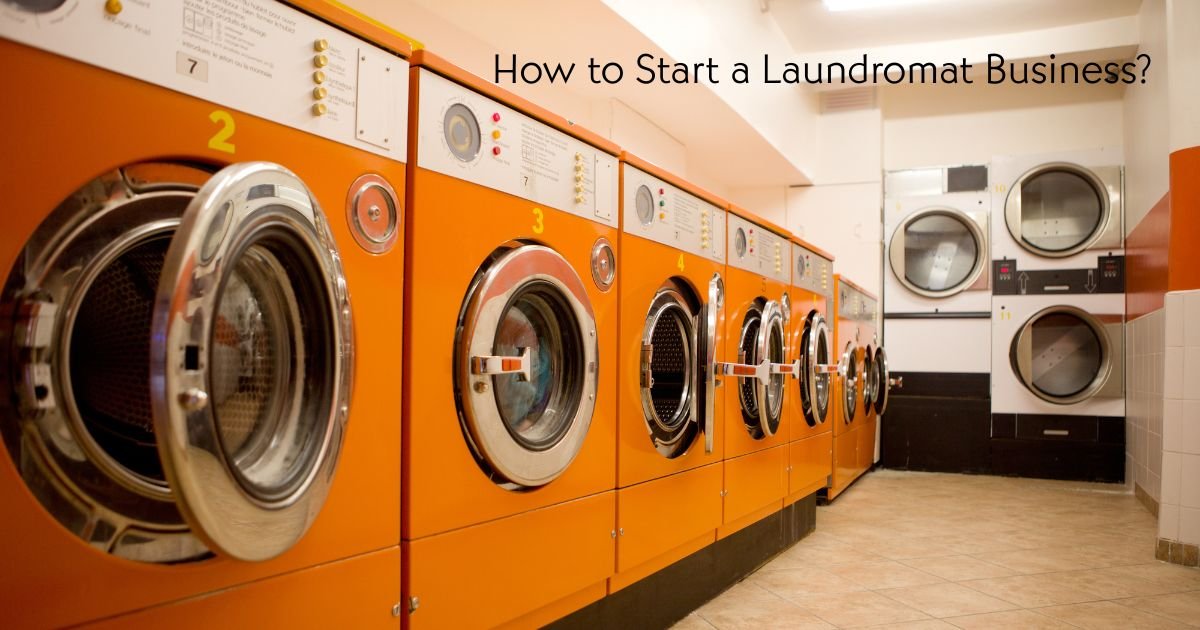
Starting a laundromat business might not sound as glamorous as launching a tech startup or opening a boutique café — but it’s one of the most dependable, recession-resistant, and cash-generating ventures out there. People always need clean clothes, which makes laundromats a staple in every neighborhood. Whether you’re looking for a steady income stream or a semi-passive business model, learning how to start a laundromat business could be your ticket to financial independence.
In recent years, the laundromat industry has quietly evolved. Modern laundromats now feature sleek designs, digital payment options, and even coffee lounges. If you’re strategic and customer-focused, this old-school business can become a surprisingly modern money-maker.
Research the Laundromat Industry
Before investing, it’s crucial to understand the laundromat industry. This isn’t just about washing machines — it’s about customer habits, location dynamics, and service convenience. When learning how to start a laundromat business, your first task is research.
Start by studying local demand. Visit nearby laundromats to observe foot traffic, pricing, and equipment quality. Note what customers appreciate — and what they complain about. A bit of competitor analysis can reveal what gaps you can fill.
- Check if the area has a high percentage of renters or college students (they’re your best customers).
- Look for neighborhoods with limited access to in-unit washers and dryers.
- Study utility costs and local business regulations.
By taking this analytical approach, you’ll not only understand your target market but also spot profitable opportunities others may overlook.
Create a Solid Business Plan
A well-thought-out business plan acts as your roadmap to success. It helps you estimate costs, forecast profits, and attract investors. Think of it as your blueprint for building a strong foundation when learning how to start a laundromat business.
Your business plan should include:
- Executive Summary: A concise overview of your business idea and goals.
- Market Analysis: Insights from your research on local demand.
- Startup Costs: Equipment, rent, renovations, and licenses.
- Revenue Projections: Expected earnings and breakeven points.
- Marketing Strategy: How you plan to attract and retain customers.
A solid plan doesn’t have to be overly technical, but it must be realistic. The clearer your vision, the easier it will be to secure funding and execute your strategy effectively.
Choose the Perfect Location
Location can make or break your laundromat business. Ideally, you want a high-traffic area with plenty of parking and easy accessibility. Think near apartment complexes, college campuses, or busy residential streets.
When deciding how to start a laundromat business successfully, prioritize visibility. A laundromat that’s easy to spot from the road naturally draws more walk-in customers. Also, consider the competition — too many laundromats in one area can dilute your customer base.
Look for a location that checks these boxes:
- Strong foot traffic and good parking space
- Affordable rent with long-term lease options
- Nearby population that relies on laundromats
- Minimal direct competition
Securing the right spot early on sets the tone for your business success.
Estimate the Startup Costs
Starting a laundromat business can be capital-intensive, especially if you’re building from scratch. However, the investment often pays off over time.
Typical startup costs include:
- Washing and Drying Machines: $150,000 – $400,000 (depending on size)
- Renovations and Plumbing: $50,000 – $200,000
- Business Licenses and Permits: $500 – $5,000
- Utility Deposits and Insurance: $5,000 – $15,000
- Marketing and Signage: $2,000 – $10,000
If you’re on a tighter budget, you can consider buying an existing laundromat. This approach reduces your setup time and sometimes your initial investment. Just make sure to evaluate the condition of the machines and the lease terms before you buy.
Secure Financing
Unless you have significant savings, you’ll likely need financing to start your laundromat. The good news is, lenders often view laundromats as stable investments due to their consistent cash flow.
Here are a few financing options to consider:
- Small Business Administration (SBA) Loans – Ideal for first-time entrepreneurs.
- Equipment Financing – Helps spread the cost of washers and dryers.
- Investor Partnerships – Split costs and profits with a trusted partner.
- Personal Savings or Home Equity Loans – For those ready to self-fund.
When pitching to lenders, a clear and confident presentation of your business plan can make all the difference.
Purchase Equipment and Supplies
Once financing is secured, it’s time to buy your machines. Choosing the right equipment is crucial because it impacts your efficiency, maintenance costs, and customer satisfaction.
Consider investing in energy-efficient, high-capacity washers and dryers. While these may cost more upfront, they reduce utility bills and attract eco-conscious customers.
Don’t forget the essentials:
- Change machines or card payment systems
- Laundry carts and folding tables
- Vending machines for detergent and snacks
- Comfortable seating and Wi-Fi for customers
The goal is to create a clean, modern, and comfortable environment that encourages repeat visits.
Handle Legal and Regulatory Requirements
Every business must comply with local laws. To avoid future headaches, make sure your laundromat is properly licensed and insured.
Key legal requirements include:
- Business License and Permit – Depending on your city’s rules.
- Utility Permits – For water, gas, and electrical connections.
- Fire Safety Inspections – Required for high-energy appliances.
- Insurance Policies – Covering property damage, liability, and employees.
It’s also wise to consult with a business attorney to ensure all contracts and leases are in your favor.
Design and Layout
A laundromat’s design affects how customers experience your business. A bright, well-organized space feels safe, clean, and professional.
Focus on:
- Good lighting and ventilation
- Easy navigation between machines
- Clean restrooms and waiting areas
- Security cameras for customer safety
Add touches that set you apart — free Wi-Fi, TVs, or a small coffee corner can make laundry day less of a chore. Remember, the more comfortable customers feel, the more likely they’ll return and recommend your business to others.
Marketing Your Laundromat
Marketing is where your creativity pays off. Even the best laundromat won’t succeed if people don’t know it exists.
Start with a strong online presence — a simple website, Google Maps listing, and social media pages are must-haves. Offer grand opening discounts, loyalty programs, or referral rewards. You can also:
- Distribute flyers in nearby apartments and dorms
- Partner with local businesses for cross-promotion
- Run ads on social media platforms like Facebook and Instagram
Word of mouth remains powerful in this business. Treat every customer like your best one, and they’ll spread the word faster than any ad campaign.
Manage and Grow Your Business
Once your laundromat is running, focus on consistency. Keep your machines well-maintained, your staff friendly, and your premises spotless.
To grow your business further, consider:
- Adding pickup and delivery services
- Offering wash-and-fold packages
- Expanding to new locations
- Installing eco-friendly systems
Customer experience is key. The better your service, the stronger your reputation — and in the laundromat business, reputation equals revenue.
Conclusion
Learning how to start a laundromat business is about more than just machines and detergent. It’s about creating a reliable, community-focused service that people depend on week after week. While it requires upfront investment, smart management and great customer service can turn your laundromat into a profitable, semi-passive business.
If you’ve ever dreamed of owning a business that practically runs itself — this might just be the cleanest opportunity out there.
