


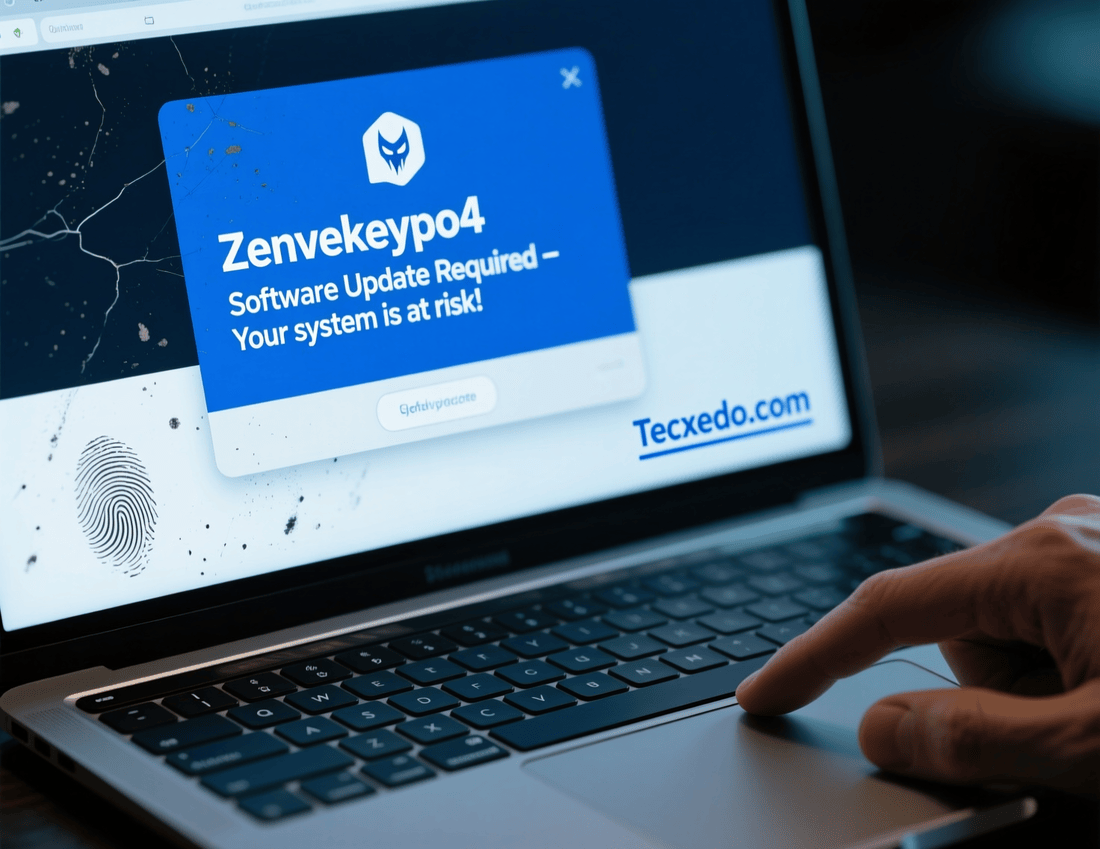
Hello there! Looking for new software can be exciting. You might want a tool to fix a problem. Or maybe you want something to make your computer faster. So you search online. You click on a website. Then you see a strange name. Something like Zenvekeypo4 Software. It promises to help. But something feels off. You are right to be careful.
This article is here to help. We will talk about this odd name in simple words. We will explain what it really is. More importantly, we will talk about your safety. The internet is a great place. But we must protect our devices and our personal information. Let’s get started.
What Is Zenvekeypo4 Software?
Let’s be clear from the start. Zenvekeypo4 Software is not a real, helpful tool. It is not made by a company you know. There is no official website for it. You won’t find it in any trusted app store.
This name appears on random websites. Sometimes in pop-up ads. Sometimes on pages that look like download portals. The name itself is a big clue. Real software has names you can remember. Names like “Photoshop” or “VLC Media Player.” They sound like real words. A name like Zenvekeypo4 Software is just a mix of letters and numbers. It is designed to sound technical. But it means nothing.
This alone is a major red flag. If you cannot find clear information about who made it, you should not download it. Trusted software always has a clear creator.
Why You Should Not Download Anything With This Name
Downloading fake software is very risky. Let’s break down the dangers in simple terms.
- Fake Downloads: You think you are getting one thing, but you get something else. It’s like ordering a book and receiving an empty box.
- Malware or Viruses: This is bad software that can hurt your computer. It can delete your files. It can make your computer very slow.
- Hidden Trackers: These are like invisible spies. They watch what you do on your computer. They see the websites you visit.
- Stolen Passwords: Some fake software is made to steal. It can record your passwords when you type them. This includes your email, bank, and social media passwords.
- Damaged Computers: In the worst cases, this software can break important parts of your computer. Fixing it can be expensive and hard.
- Fake “Update Tools”: A common trick. A pop-up says you need to update your “Zenvekeypo4 Software” or another program. It looks real. But it’s just a way to install malware.
How to Spot an Unsafe File:
- The name is strange and jumbled.
- It’s only on a website, not an official store.
- The download button is surrounded by flashy, confusing ads.
- The website has poor spelling and grammar.
How Fake Software Tricks People
These fake tools use clever tricks to look real. Let’s learn about them so you can stay safe.
One trick is something we can call the “Pattern-Based Software Naming Trap.” Bad actors create names that follow a tech-sounding pattern. They mix cool-sounding syllables (“Zen”, “ve”, “key”) with random numbers (“po4”). This makes the name Zenvekeypo4 Software seem complex and official. It tricks our brain into thinking, “This looks like a technical tool, so it must be real.” But it’s just a trap. It has no meaning.
They also use other methods:
- Fake Promo Videos: Short videos that show the software “working.” They are often animated and look professional, but are completely fake.
- Copy-Paste Reviews: You might see comments that say “Great software!” or “It worked for me!” These are copied from other sites or written by bots.
- Auto-Generated Descriptions: The website description uses big, technical words that don’t actually say anything useful. It’s word soup.
- Ads That Look Like Download Buttons: The biggest trick. The real “download” link is tiny and hidden. The big, green, flashing button is just an ad. Clicking it starts your problem.
These tricks create what we can call a “Zero-Identity Digital Tool.” It has no real company, no support, no history. It exists only to cause harm.
Safe Alternatives You Can Use Instead
The good news is, staying safe is easy. Follow these simple rules.
Always get software from official stores. On Windows, use the Microsoft Store. On a Mac, use the Apple App Store. For phones, use the Google Play Store or Apple’s App Store. These stores check software for safety.
Only download tools from brands you know and trust. If you need a media player, look for VLC. For photos, look for known names. When in doubt, ask a friend or look for articles from big tech websites.
Also Read: https://tecxedo.com/duaction/
Read user reviews. But be smart. Look for detailed reviews that talk about real use. Ignore short, vague, overly positive ones.
Remember, simple tools often work best. You don’t always need software with a weird name. Your computer already has good, safe tools built in.
Here is a simple table to remember the difference:
| Safe Software | Fake Software |
|---|---|
| Found in official app stores | Found on random websites only |
| Made by a known company | No clear maker (“zero-identity”) |
| Has real customer support | No support contact |
| Clear, positive reviews from many users | Few, copied, or fake reviews |
| Simple, memorable name | Jumbled name like Zenvekeypo4 Software |
What To Do If You Already Clicked Something Like Zenvekeypo4 Software
Did you click a link or download a file with a strange name? Don’t panic. Just follow these steps.
- Disconnect From the Internet: Unplug your internet cable or turn off Wi-Fi. This can stop bad software from sending your data out.
- Run Your Antivirus: Use the antivirus program you already have. Do a full scan of your computer. Let it remove any threats it finds.
- Remove Unknown Apps: Go to your computer’s settings. Look for “Apps” or “Programs.” Find any program you don’t recognize, especially with a weird name. Uninstall it.
- Check Browser Extensions: Open your web browser (like Chrome or Firefox). Go to settings and find “Extensions.” Remove any extensions you did not add yourself.
- Change Your Passwords: On a different, safe device (like your phone), change your important passwords. Start with your email, then bank, then social media.
- Turn On 2-Step Login: For your important accounts, enable two-factor authentication (2FA). This adds an extra layer of security.
This process helps stop what we can call a “Hidden Redirect Malware Flow.” This is when one bad download quietly redirects you to more dangers. Stopping it early is key.
Tips to Stay Safe Online (Simple Rules For Everyone)
Let’s keep it simple. Here are easy rules to follow every day.
- Think Before You Click. If an offer looks too good to be true, it probably is.
- Ignore Scary Pop-ups. Pop-ups that say “Virus Found!” or “Update Now!” are almost always fake. Just close the browser tab.
- Stick to Official Stores. This is the best way to avoid Zenvekeypo4 Software and other dangers.
- Keep Everything Updated. Make sure your computer’s operating system and your antivirus are set to update automatically.
- Use Strong Passwords. And use a different password for each important account.
- Backup Your Files. Regularly save copies of your important photos and documents to an external hard drive or cloud service. If something goes wrong, your memories are safe.
Following these rules is the best online safety for beginners and experts alike. It protects your device from malware risk tools.
Final Thoughts
So, what is the truth about Zenvekeypo4 Software? It is not a real tool. 1 It is a name used by people who want to harm your computer or steal your information. It is a sign of fake software dangers.
The best thing you can do is stay away. Always choose software from sources you trust. The internet is full of amazing and helpful tools. By being a little careful, you can enjoy all the good stuff and avoid the bad.
Remember, if a software name looks strange and makes no sense, it’s a warning. Protect your device by trusting only verified tools. Stay safe out there
For More Visit: https://tecxedo.com/
