


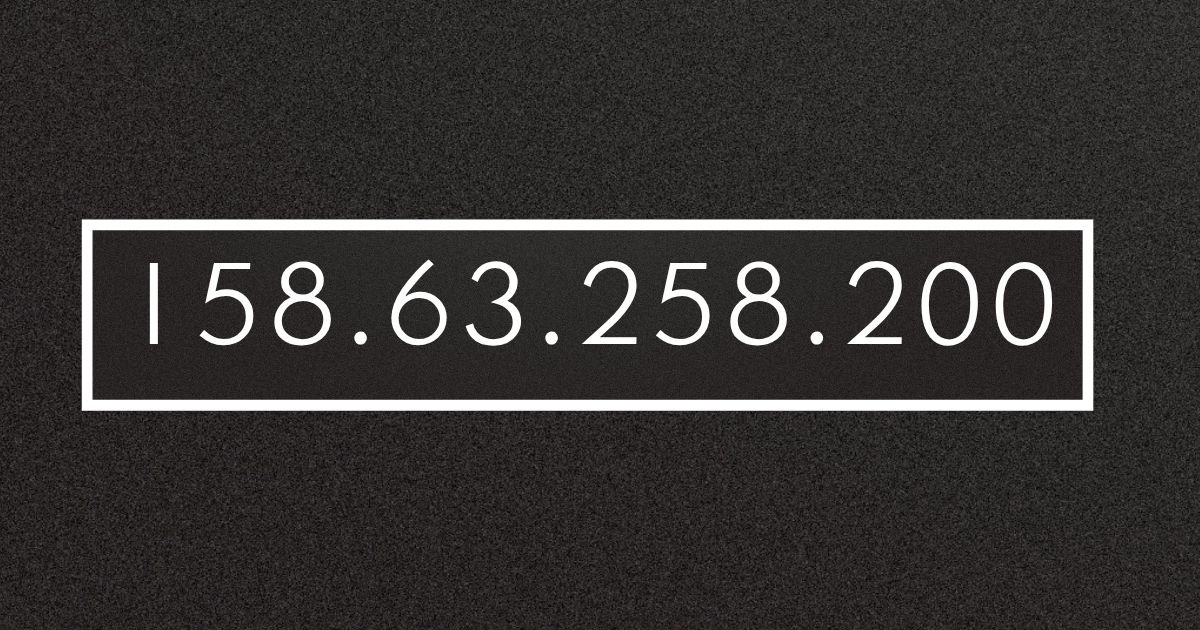
In the world of networking, IP addresses are the building blocks of how devices communicate online. One such IP address that often comes up is 158.63.258.200. For beginners, understanding what this number means, its significance, and how it can affect your online experience is essential. In this guide, we’ll break down everything you need to know about 158.63.258.200 in a simple, digestible way.
What is an IP Address?
An IP address, or Internet Protocol address, is a unique identifier assigned to every device connected to a network. Think of it like your home address—but for your computer or smartphone. Without an IP address, your device wouldn’t be able to send or receive data online.
There are two main types of IP addresses:
- IPv4: The most common type, consisting of four sets of numbers (e.g., 192.168.1.1).
- IPv6: A newer format designed to support more devices, using letters and numbers separated by colons.
158.63.258.200 falls under the IPv4 category, making it a standard format that most people and devices interact with daily.
Understanding 158.63.258.200
Breaking down 158.63.258.200, each segment of the number represents a specific part of its network location:
- 158: Often identifies the network segment.
- 63: Can indicate a sub-network within the larger network.
- 258: A number specifying the device or host (note: technically, valid IPv4 segments are 0–255; numbers outside this range may indicate an error or private use).
- 200: Often denotes the specific device within the sub-network.
While this might sound technical, the key takeaway is that 158.63.258.200 is essentially a digital address that allows devices to find and communicate with each other online.
Geographic Location of 158.63.258.200
Many people are curious about where an IP address is located. IP addresses like 158.63.258.200 can often give clues about their approximate geographic region. Using IP lookup tools, you can check details such as:
- Country and city
- Internet Service Provider (ISP)
- Connection type (e.g., broadband, mobile)
For instance, an IP lookup may reveal that 158.63.258.200 is registered to a specific ISP in a certain country. While this doesn’t pinpoint an exact address like your home, it can be useful for network monitoring, cybersecurity, or content localization.
Common Uses of 158.63.258.200
IP addresses are used in countless ways across the internet. Here are some common applications of 158.63.258.200:
- Server Hosting: Websites and online services often rely on static IPs for stable access.
- Network Security: Administrators monitor IPs to detect suspicious activity.
- Remote Access: IPs allow authorized devices to connect to networks from afar.
Using 158.63.258.200, an organization could host a website, manage internal systems, or track network traffic efficiently.
Security Considerations
Whenever you deal with IP addresses, security is crucial. While 158.63.258.200 might be completely safe, IP addresses can sometimes be linked to malicious activity. Here are some tips to stay secure:
- Check Reputation: Use online tools to verify if the IP has been flagged for spam or attacks.
- Use Firewalls: Protect your network from unauthorized access.
- Monitor Traffic: Watch for unusual connections involving unknown IPs.
Remember, an IP address itself is not harmful, but how it is used can have security implications.
Tools to Track 158.63.258.200
There are several tools that help you understand and track 158.63.258.200 effectively:
- IP Lookup Services: Websites like IPinfo.io or WhatIsMyIPAddress.com provide location and ISP data.
- Network Monitoring Tools: Applications like Wireshark or PingPlotter can monitor traffic from specific IPs.
- Security Platforms: Firewalls and antivirus software often include IP tracking features.
These tools are useful not just for beginners, but for anyone managing networks or concerned about cybersecurity.
Troubleshooting Issues Related to 158.63.258.200
Sometimes, users may encounter network problems linked to an IP address. Here’s what you can do if 158.63.258.200 causes issues:
- Connectivity Problems: Check your router or ISP for potential outages.
- IP Conflicts: Ensure no two devices are using the same IP address.
- Logging: Keep a record of network activity to identify recurring issues.
Even for beginners, these steps can simplify diagnosing and resolving network issues.
158.63.258.200 in the Context of Networking
IP addresses are more than just numbers—they are essential for the internet to function. Here’s how 158.63.258.200 fits into networking:
- Assigned by ISPs: Most public IPs are dynamically assigned by Internet Service Providers.
- Role in Data Routing: IP addresses determine how data packets travel between devices.
- Home vs Business Use: Businesses may use static IPs like 158.63.258.200 for stability, while home users typically rely on dynamic IPs.
Understanding this context helps beginners see why IPs are critical for both personal and professional networks.
Conclusion
In summary, 158.63.258.200 is more than just a string of numbers—it’s a gateway for communication on the internet. For beginners:
- It identifies devices and networks.
- Can provide geographic and ISP information.
- Plays a role in security, hosting, and troubleshooting.
By learning about IP addresses like 158.63.258.200, you gain a foundational understanding of networking that can enhance online safety, improve troubleshooting skills, and expand your tech knowledge. Exploring IPs is the first step toward mastering the digital world.
