


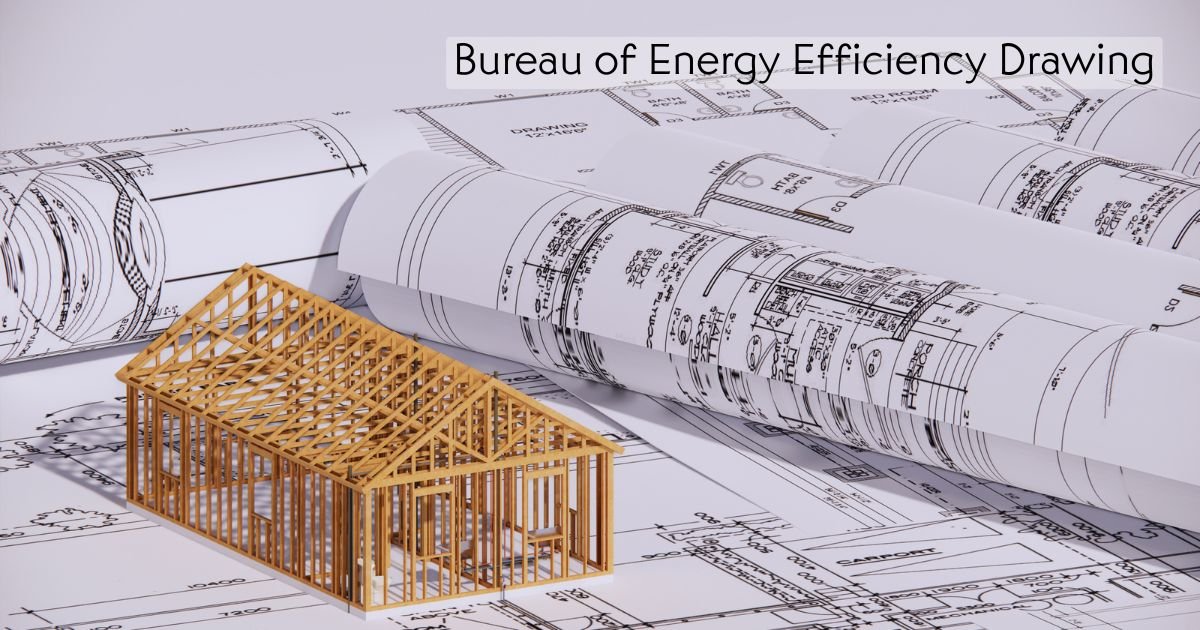
When it comes to designing buildings or systems that save energy, the Bureau of Energy Efficiency Drawing plays a huge role. It’s not just about lines and measurements — it’s about visualizing efficiency, sustainability, and compliance all in one neat package. Whether you’re an architect, engineer, or energy auditor, understanding this type of drawing can make your projects both smarter and more compliant with India’s growing energy standards.
What is the Bureau of Energy Efficiency (BEE)?
The Bureau of Energy Efficiency (BEE) is an agency under India’s Ministry of Power, established to promote energy conservation and efficiency across industries and infrastructure. It sets the standards and guidelines that help reduce energy consumption, improve sustainability, and ensure long-term cost savings.
Simply put, BEE acts as the watchdog for efficient energy use. Its codes and certifications guide architects, engineers, and builders to design structures that meet national energy performance goals.
Understanding the Bureau of Energy Efficiency Drawing
A Bureau of Energy Efficiency Drawing is a technical or architectural representation that shows how a building or system adheres to BEE’s energy efficiency standards. Think of it as the blueprint that demonstrates a project’s compliance with the Energy Conservation Building Code (ECBC) and other relevant guidelines.
These drawings aren’t just for show — they’re essential for getting your project approved by authorities and certified for energy efficiency. They detail aspects like insulation, lighting, HVAC systems, and even renewable energy integration.
Why Bureau of Energy Efficiency Drawings Matter
In today’s eco-conscious world, energy efficiency isn’t just a bonus — it’s a requirement. BEE drawings ensure your designs follow sustainable principles while staying compliant with legal energy mandates.
Here’s why they’re important:
- Compliance: Your project meets ECBC and BEE standards.
- Energy Savings: Optimized designs lead to long-term cost reductions.
- Sustainability: Helps reduce environmental impact.
- Recognition: Certified projects gain credibility and professional recognition.
These benefits make the BEE drawing process an essential part of modern infrastructure planning.
Core Elements of a Bureau of Energy Efficiency Drawing
Every BEE drawing must include certain critical details that define energy efficiency performance. While layouts may differ based on project type, these are common elements found in most approved drawings:
- Building Orientation: Shows how the structure uses natural light and ventilation.
- Insulation Layers: Details on walls, roofs, and windows for thermal performance.
- Lighting Design: Placement and type of fixtures to minimize energy waste.
- HVAC Systems: Specifications for efficient heating, ventilation, and cooling.
- Renewable Energy Integration: Solar panels or other green energy systems.
When all these factors come together, you get a design that balances performance, comfort, and efficiency.
How Bureau of Energy Efficiency Drawings Are Prepared
Preparing a Bureau of Energy Efficiency Drawing is not as simple as sketching out a building plan. It’s a detailed, multi-step process that involves both technical knowledge and compliance expertise.
Professionals usually follow these steps:
- Initial Design Phase:
Architects and engineers prepare preliminary layouts considering natural light, ventilation, and spatial orientation. - Energy Simulation:
Using software like eQUEST, DesignBuilder, or EnergyPlus, energy performance is simulated based on materials and systems used. - Compliance Check:
The design is compared with ECBC or BEE standards to ensure it meets minimum efficiency benchmarks. - Final Submission:
Once the drawings meet compliance, they are submitted to the BEE or a certified energy auditor for review and approval.
It’s a mix of creativity and calculation — where design meets data to create something practical and efficient.
Common Mistakes to Avoid in BEE Drawings
Even experienced professionals can make errors while preparing a Bureau of Energy Efficiency Drawing. Some common pitfalls include:
- Ignoring Orientation: Failing to use sunlight effectively can raise energy loads.
- Incorrect HVAC Sizing: Oversized systems lead to wasted energy and higher costs.
- Missing Details: Forgetting insulation values or lighting specs can delay approvals.
- Non-compliance with ECBC: Overlooking code specifics results in rejection.
By double-checking these aspects, you can avoid unnecessary revisions and speed up the approval process.
Getting Your Bureau of Energy Efficiency Drawing Approved
Once your drawing is ready, the next step is getting it approved. The Bureau of Energy Efficiency requires specific documentation and design validation before granting certification. Here’s how to go about it:
- Hire Certified Professionals: Always work with a BEE-accredited energy auditor or consultant.
- Submit Proper Documentation: Include all relevant data like load calculations, lighting layouts, and energy simulations.
- Ensure ECBC Compliance: Match your project’s specifications with the required standards.
- Wait for Review: The BEE reviews your submission and provides feedback or certification.
Approval not only verifies your project’s energy performance but also boosts its credibility in the market.
Benefits of Using BEE Drawings in Modern Projects
The advantages of incorporating Bureau of Energy Efficiency Drawings go far beyond compliance. They improve overall project quality and operational performance.
Here’s what makes them so valuable:
- Lower Energy Bills: Efficient systems mean reduced consumption.
- Better Comfort: Improved thermal and visual comfort for occupants.
- Environmental Impact: Supports national goals for carbon reduction.
- Property Value: Certified energy-efficient buildings often have higher resale value.
In essence, BEE drawings are not just technical requirements — they’re strategic tools for sustainable success.
The Future of Bureau of Energy Efficiency Drawings
As India moves toward greener infrastructure, Bureau of Energy Efficiency drawings will only grow in significance. With policies supporting smart cities, renewable energy, and green building codes, the demand for accurate and efficient drawings will skyrocket.
In the coming years, expect to see:
- Digital Integration: Use of AI and BIM for real-time energy modeling.
- Stricter Standards: More detailed BEE compliance requirements.
- Sustainability Goals: Increased focus on net-zero energy buildings.
These changes will redefine how professionals approach design, construction, and energy optimization.
Conclusion
The Bureau of Energy Efficiency Drawing is more than a formality — it’s a blueprint for a sustainable future. From planning to approval, every line on that drawing reflects efficiency, precision, and innovation. For architects and engineers, mastering BEE drawings isn’t just about meeting regulations — it’s about leading the way toward greener, smarter, and more responsible design.
