


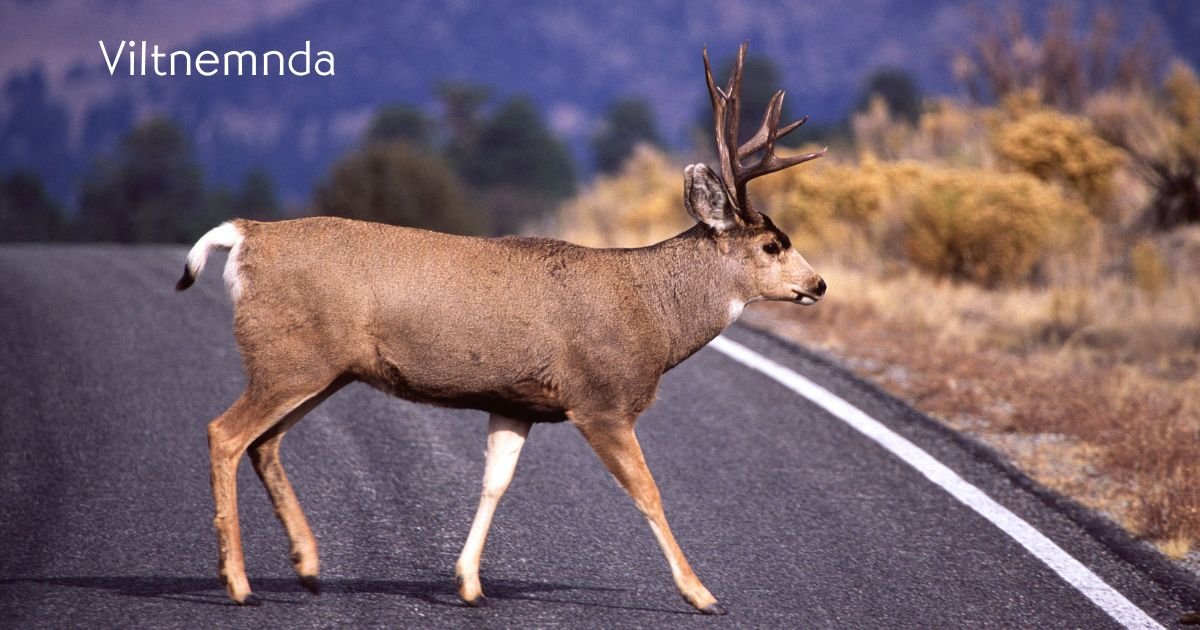
Norway’s rich wilderness is home to diverse species, and managing that balance is a major responsibility. That’s where Viltnemnda, the local wildlife committee, comes in. It serves as the link between citizens, hunters, and environmental authorities. The goal is simple yet vital—protect wildlife, ensure safe coexistence, and promote sustainable hunting. This guide explains how Viltnemnda functions, its background, and why it’s an important part of Norway’s environmental framework.
What Is Viltnemnda?
Viltnemnda literally means “wildlife committee.” Each Norwegian municipality has its own local body responsible for wildlife issues. It oversees tasks like managing hunting seasons, monitoring animal populations, and handling wildlife emergencies. Beyond regulation, it acts as a guardian of nature, making sure that human activity doesn’t threaten the balance of ecosystems. Understanding what Viltnemnda does helps residents appreciate how Norway maintains harmony between people and wildlife.
Historical Background of Viltnemnda
The idea of structured wildlife management in Norway dates back centuries. Viltnemnda was formally established under the Norwegian Wildlife Act (Viltloven), ensuring that every municipality had a dedicated group to oversee local wildlife concerns. What started as a practical solution to manage hunting rights evolved into a broader conservation system. Today, Viltnemnda blends tradition with modern conservation techniques to safeguard Norway’s natural heritage for future generations.
The Legal Framework Governing Viltnemnda
The legal authority of Viltnemnda stems from Viltloven, which outlines responsibilities for municipalities and committees dealing with wildlife. This law provides clear guidelines for ethical hunting, wildlife protection, and population management. It also mandates how wildlife accidents must be reported and handled. By enforcing national regulations at the local level, Viltnemnda ensures consistency and compliance while protecting both animals and citizens across Norway.
Structure and Composition of Viltnemnda
A typical Viltnemnda includes a leader, several members, and sometimes a secretary or local advisor. Members are appointed by the municipal council and often come from backgrounds in hunting, biology, or environmental management. Their combined expertise helps in making informed decisions about wildlife preservation. This structure ensures that decisions are both scientifically sound and locally relevant, reflecting the needs of each community and its surrounding ecosystems.
Core Responsibilities of Viltnemnda
The main responsibility of Viltnemnda is to manage wildlife sustainably. This includes setting hunting quotas, protecting endangered species, and responding to wildlife-vehicle collisions. When an animal such as a moose or deer is injured, the committee coordinates with hunters or veterinarians to ensure humane treatment. Another key duty involves collecting data on local wildlife trends. These records are crucial for long-term environmental planning and for maintaining healthy animal populations.
How Viltnemnda Works in Practice
In practice, Viltnemnda acts swiftly when wildlife issues arise. For example, if a moose is hit by a vehicle, the committee is notified immediately. Trained members then assess the situation, take appropriate action, and document the incident. The process emphasizes animal welfare and public safety. Viltnemnda also works closely with the police, ensuring smooth communication during wildlife-related accidents or emergencies. This organized approach highlights Norway’s commitment to responsible wildlife governance.
Citizen Involvement and Reporting Procedures
Public cooperation plays a big role in how Viltnemnda operates. Citizens are encouraged to report injured or dead wild animals using municipal hotlines or online forms. These reports allow the committee to respond quickly and prevent further accidents. Educational campaigns and public meetings also help raise awareness about wildlife safety. This partnership between the community and Viltnemnda ensures that conservation remains a shared responsibility across Norway.
Challenges and the Future of Viltnemnda
Modern life presents new challenges for wildlife management. Expanding cities, heavy traffic, and climate change have all increased human-wildlife conflicts. To address these issues, Viltnemnda is adopting technology such as GPS tracking and digital mapping. These tools help monitor animal movements and prevent accidents. The future of Viltnemnda lies in combining local knowledge with innovation, ensuring that Norway continues to protect its rich biodiversity in a changing world.
Conclusion
The Viltnemnda system represents Norway’s deep respect for nature and responsibility toward its wildlife. It ensures that hunting remains ethical, wildlife is cared for, and citizens are safe. By understanding how Viltnemnda operates, people can better appreciate the balance between conservation and community involvement. This model of governance shows that when local communities take part in wildlife management, the result is a sustainable, thriving environment for generations to come.
